In February 2026, when Narendra Modi and Emmanuel Macron met once again, it wasn’t just another diplomatic summit. It marked the elevation of the India-France relationship to a Special Global Strategic Partnership - a phrase that may sound formal, but carries the weight of trust, technology, and shared ambition.
This isn’t a friendship built overnight. It’s one forged over decades - and right now, it stands taller than ever.
If there’s one pillar that defines this alliance, it is defence.
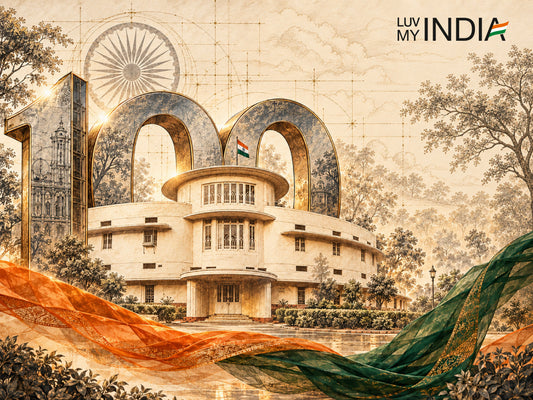
India has cleared one of its largest-ever military procurements - 114 Rafale fighter jets, a deal often called the “Contract of the Century.” The first 18 aircraft will arrive directly from France, while 96 will be manufactured in India under the “Make in India” initiative. It’s not just about acquiring aircraft; it’s about building capability at home.
Add to that the agreement signed in 2025 for 26 Rafale-Marine jets to operate from India’s aircraft carriers - INS Vikrant and INS Vikramaditya - and you begin to see the scale of maritime preparedness.
The collaboration goes deeper. From manufacturing Hammer missiles through a Bharat Electronics Limited-Safran joint venture to assembling H125 helicopters in Karnataka via Tata-Airbus, defence is no longer just an import relationship - it is co-production, co-development, and co-trust.
Even beneath the oceans, negotiations continue for additional Scorpene-class submarines to be built at Mazagon Dock Shipbuilders Limited. The message is clear: India is not merely buying strength - it is building it.
Beyond fighter jets and submarines lies something equally powerful - innovation.
2026 has been declared the Year of Innovation between the two nations. Startups, researchers, and deep-tech pioneers are being connected across AI, space, climate solutions, and clean energy. An Indo-French Centre for AI in Health has been established - a move that blends India’s digital scale with France’s research depth.
Even space cooperation and defence agreements have been renewed for the next decade, reinforcing long-term strategic alignment.
And then there’s something delightfully symbolic.
India’s UPI - a homegrown digital payments revolution - is now accepted at iconic French landmarks like the Eiffel Tower and luxury department store Galeries Lafayette.
Imagine that for a moment. An Indian traveller paying at the Eiffel Tower using UPI. It’s not just convenience. It’s quiet global influence.
Bilateral trade between India and France now ranges between $15–$18 billion annually. France stands among India’s top foreign investors, strengthening infrastructure, aerospace, energy, and manufacturing.
The long-anticipated Jaitapur Nuclear Power Project continues to progress, alongside new letters of intent for Small Modular Reactors - signalling cooperation in clean, reliable energy for the future.
Education is another powerful bridge. France aims to host 30,000 Indian students by 2030, backed by five-year Schengen visas for alumni. Knowledge, too, is becoming a shared currency.
More Than Diplomacy - It’s Identity
What makes this partnership special is not just contracts or numbers. It is mutual respect for sovereignty, strategic autonomy, and civilisational depth.
India today negotiates as a confident nation - equal, assured, and forward-looking. From defence manufacturing to digital payments, from nuclear energy to AI, the India-France partnership mirrors the story of modern Bharat itself: rooted, ambitious, and unapologetically global.
At Luv My India, we believe patriotism isn’t loud - it’s informed. It’s knowing that when Indian technology works at the Eiffel Tower, when Indian engineers build fighter jets at home, and when Indian students shape global classrooms, the tricolour travels with them.
Because loving India isn’t just about where we stand.
It’s about how far we’ve come - and how powerfully we rise.
Tags:
Previous
How Cricket Built India’s Global Identity: From Underdog to World Force
Next
Shivaji Jayanti: Remembering the Lion Who Taught India to Roar